"Fortunately, breast cancer is one of the cancers with a high survival rate and excellent treatment outcomes."
A breast cancer diagnosis affects far more than a woman's physical health. It often comes at a stage of life when many women are balancing careers, caring for their families, and taking on important responsibilities both at home and at work. While survival rates continue to improve, the diagnosis itself can bring profound emotional distress, uncertainty, and a sense of loss. For patients, breast cancer is never a disease to take lightly.
To better understand today's approach to breast cancer treatment, we spoke with Jong Han Yu, MD, a breast surgeon at Samsung Medical Center.
Better Outcomes, But Some Breast Cancers Remain Difficult to Treat
Advances in early detection and treatment have significantly improved breast cancer outcomes over the past several decades. The five-year survival rate now exceeds 93%, and an increasing proportion of patients are diagnosed with Stage 0 or Stage I disease. Breast cancer also has certain advantages when it comes to early detection.
Because the breast is an external organ, some tumors become noticeable once they reach a certain size and may be felt by the patient. In addition, screening tests such as mammography and breast ultrasound are readily available and widely accessible. Even when breast cancer recurs, treatment does not necessarily stop there. Many patients continue active treatment for recurrent disease and achieve long-term survival.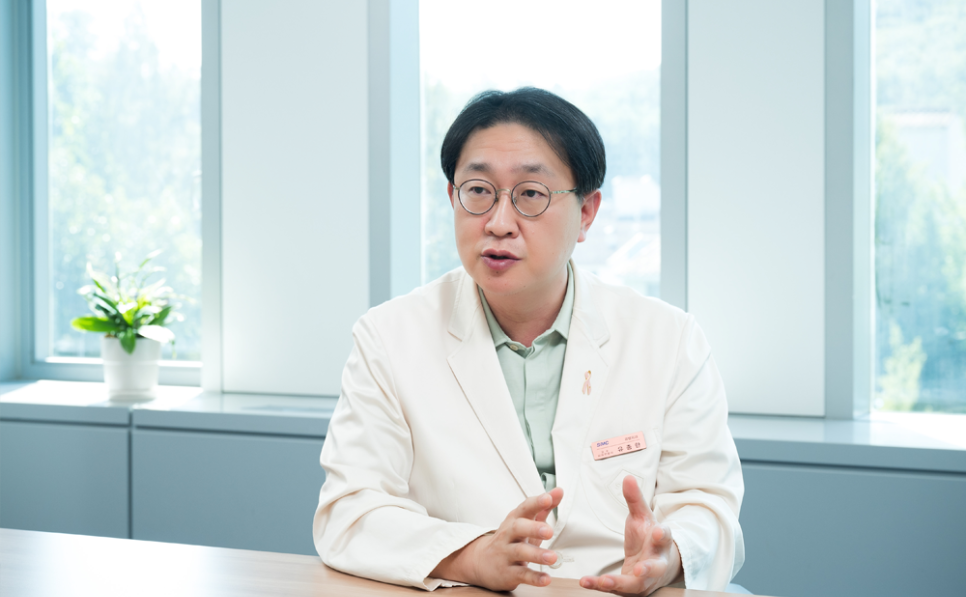
"Fortunately, breast cancer generally has excellent treatment outcomes," Dr. Yu says. "However, breast cancer includes many different subtypes. While most respond well to treatment, there are also difficult-to-treat forms that remain challenging to predict and manage."
He cautions against viewing breast cancer as a single disease with a single treatment pathway.
"Some breast cancers are much more aggressive than others," he explains. "Patterns of recurrence and metastasis also vary considerably from one patient to another. That's why treatment should always be individualized."
Looking Beyond the Disease Itself
According to Dr. Yu, treating breast cancer means caring for more than the cancer alone. Many patients are diagnosed in their 40s and 50s, and a significant number are still in their 30s. For many women, this is a period filled with important milestones, including marriage, pregnancy, childbirth, raising children, and building a career.
"Breast cancer generally has favorable treatment outcomes," Dr. Yu says. "At the same time, it's also true that patients experience many physical and emotional challenges throughout treatment. Breast cancer is a disease in which quality of life deserves careful consideration."
While surgery and radiation therapy are usually completed within a defined period, chemotherapy and endocrine therapy often continue much longer. Patients frequently undergo treatment while continuing to care for their families, raise children, pursue their careers, and fulfill many other responsibilities. For this reason, Dr. Yu emphasizes that breast cancer treatment should consider not only the disease itself, but also the many aspects of a patient's life that surround it.
Breast-Conserving Surgery Is Not Determined by Cancer Stage Alone
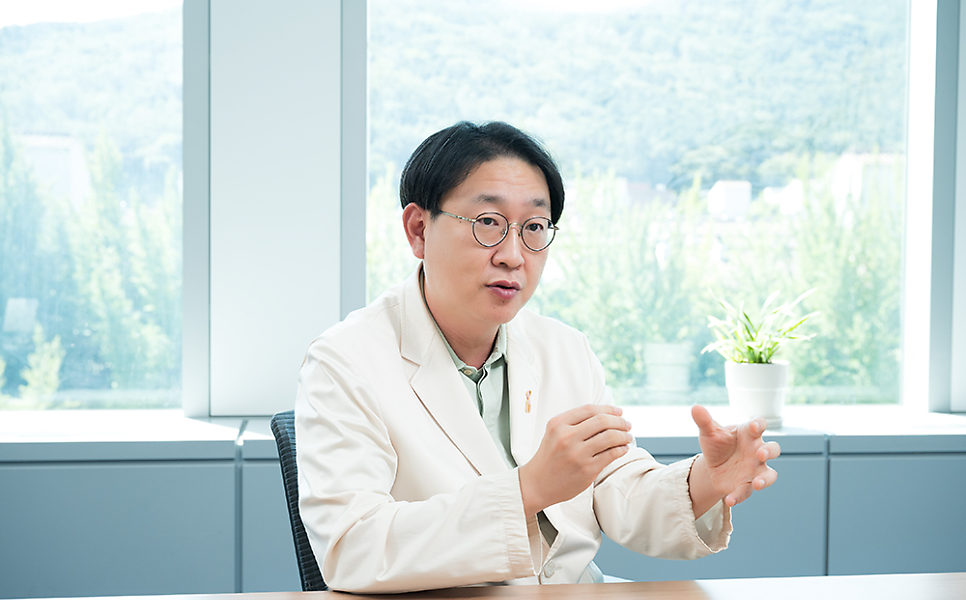
"Patients can't always preserve the breast simply because they want to. Even very early-stage breast cancer may require removal of the entire breast."
Breast cancer surgery generally consists of two parts: surgery for the breast itself and surgery involving the axillary lymph nodes. When considering surgery for the breast, patients often assume that an earlier-stage cancer means less extensive surgery. If survival rates and recurrence risks are similar, many naturally hope that breast-conserving surgery will be possible. However, Dr. Yu explains that the decision is not based primarily on the cancer stage.
"The most important factor isn't the stage of the cancer," he says. "It's how widely the tumor is distributed within the breast."
For example, a patient may have multiple tumors scattered throughout the breast. Even if the largest tumor measures only 1.5 cm and there is no lymph node involvement—making it Stage I disease—the cancer may extend across such a wide area that breast-conserving surgery cannot safely remove all of the cancer. In these situations, a total mastectomy may be recommended. The same principle applies to ductal carcinoma in situ (DCIS), which is classified as Stage 0. If the abnormal cells involve a broad area of the breast, total mastectomy may still be necessary. Understandably, this can be confusing and distressing for patients who expect a Stage 0 diagnosis to require only limited surgery. On the other hand, a patient with a single 3 cm tumor that has not spread and is located away from the nipple may still be a good candidate for breast-conserving surgery, even if the disease is classified as Stage II.
"Lower-stage disease doesn't automatically mean less breast tissue can be removed," Dr. Yu explains. "The surgical approach depends on the extent of the tumor, and the most important principle is achieving complete removal of the cancer."
Whenever complete cancer removal can be achieved while preserving the breast, breast-conserving surgery remains an excellent option. However, Dr. Yu notes that some patients request a total mastectomy because of overwhelming fear of recurrence, even when breast-conserving surgery would be medically appropriate.
"If your surgeon advises that a more extensive operation isn't necessary," he says, "it's worth taking time to carefully consider that recommendation."
Why Axillary Lymph Node Surgery Is Becoming Less Extensive
Breast cancer commonly spreads to the lymph nodes in the armpit, known as the axillary lymph nodes. In the past, removing most or all of these lymph nodes through an axillary lymph node dissection was considered the standard approach. While effective, the procedure may also lead to long-term side effects, including numbness, restricted shoulder movement, and lymphedema, or swelling of the arm. Today, breast cancer surgery is becoming increasingly precise.
"When breast cancer spreads, it typically reaches the sentinel lymph node first before involving other lymph nodes," Dr. Yu explains. "Rather than removing many lymph nodes from the beginning, we can often examine only the first few lymph nodes that drain the breast."
This procedure, known as a sentinel lymph node biopsy, allows surgeons to determine whether cancer has spread to the lymph nodes while minimizing unnecessary surgery. If no cancer is found in the sentinel lymph nodes, additional lymph node removal may not be necessary. Dr. Yu compares the concept to checking the entrance before searching the entire house.
"If there's no problem at the front gate, there's no reason to search the whole house," he says.
Even when cancer is found in the sentinel lymph nodes, treatment no longer automatically requires complete removal of all axillary lymph nodes. In selected patients—particularly those with limited lymph node involvement or those who respond well to neoadjuvant chemotherapy—sentinel lymph node biopsy followed by radiation therapy may be sufficient. Research is continuing to determine whether some patients may safely avoid axillary surgery altogether.
"We're not saying that lymph node surgery can be eliminated for everyone," Dr. Yu says. "The goal is to identify patients who can safely avoid additional surgery without affecting their prognosis."
He notes that breast cancer surgery has changed considerably over the years.
"In the past, the same operation was performed for nearly everyone," he says. "Today, treatment is much more individualized. Whenever survival outcomes are equivalent, we aim to reduce the burden of surgery and preserve our patients' quality of life."
New Hope for Difficult-to-Treat Breast Cancer
Breast cancer treatment extends well beyond surgery. Depending on the type and stage of the disease, patients may receive chemotherapy, endocrine therapy, targeted therapy, radiation therapy, or a combination of these approaches.
The same principle applies when breast cancer recurs, as treatment plans are tailored to each patient's disease characteristics and pattern of recurrence. Fortunately, treatment options continue to expand, even for breast cancers that have historically been difficult to treat.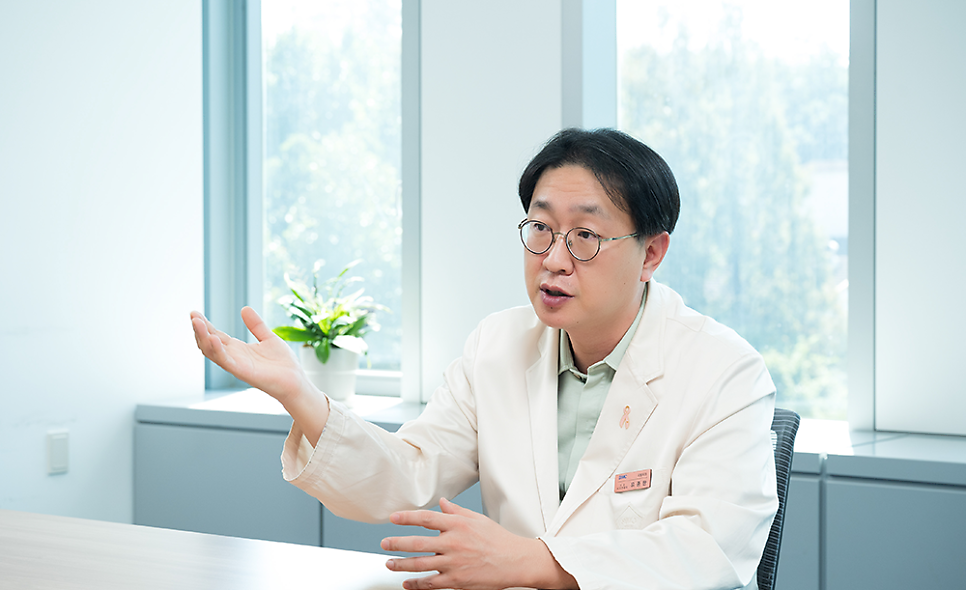
"For HER2-positive breast cancer, the development of newer targeted therapies has led to steadily improving treatment responses," Dr. Yu says.
He notes that in patients with HER2-positive, hormone receptor-negative breast cancer, approximately 70% have achieved a pathologic complete response after receiving drug therapy before surgery.
"HER2-positive breast cancer was once considered one of the more aggressive subtypes," he explains. "However, as new targeted therapies continue to emerge, treatment outcomes have improved significantly."
Dr. Yu also points to progress in the treatment of triple-negative breast cancer, another subtype traditionally associated with a less favorable prognosis. Because these tumors lack hormone receptors and HER2 expression, treatment options were once largely limited to conventional chemotherapy.
"Today, additional targeted therapies and immunotherapies are becoming available for some patients with triple-negative breast cancer," he says. "While difficult-to-treat breast cancer remains a reality, we continue to see new opportunities to reduce recurrence and extend survival."
The continued development of new therapies, he adds, offers meaningful hope for patients facing even the most challenging forms of breast cancer.
Looking Beyond the Numbers
For many patients, the greatest fear after a breast cancer diagnosis is not surgery or treatment—it is recurrence.
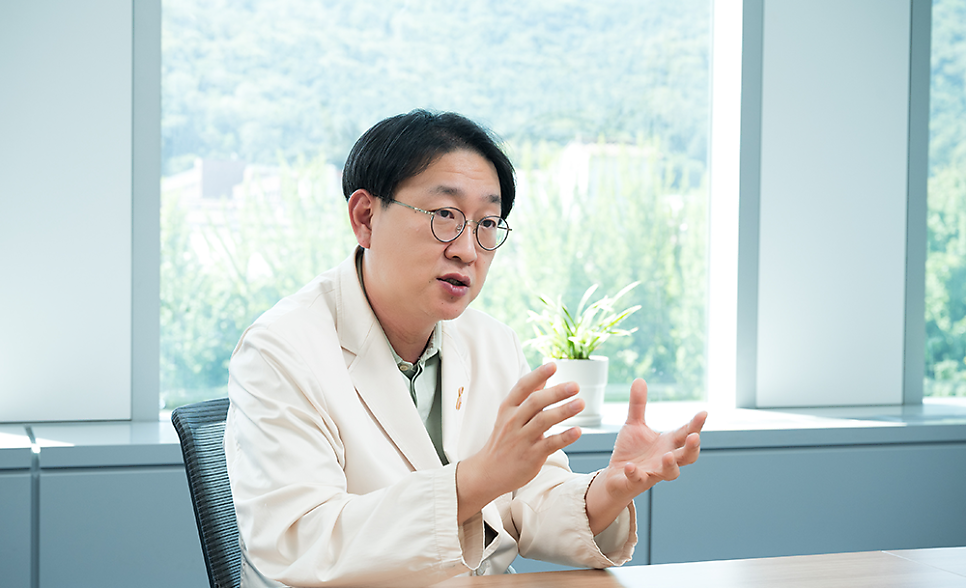
"Recurrence is what most patients fear the most," Dr. Yu says. "You can see it in the questions they ask and in the information they search for online."
According to Dr. Yu, one of the biggest misconceptions surrounding breast cancer comes from the way information is shared online. Patients who are worried about recurrence naturally search for stories about recurrence and metastasis. Likewise, those who experience recurrence are often more likely to share their experiences publicly. As a result, patients may repeatedly encounter a limited pool of information that makes recurrence seem far more common than it actually is.
"In reality, far more patients do not experience recurrence," Dr. Yu explains. "Patients with good outcomes often move on with their lives. As time passes, they naturally stop posting about their experiences or searching for information online."
For this reason, he encourages patients to view online information with caution and remember that it does not always reflect the experiences of the majority of breast cancer survivors.
Statistics Don't Define an Individual Patient
Dr. Yu also encourages patients not to place too much weight on statistics alone. A recurrence rate of 10% may still feel frightening to someone undergoing treatment. Likewise, hearing that the survival rate is over 90% does not necessarily eliminate anxiety.
"Statistical numbers are important for understanding breast cancer as a whole," he says. "But they cannot predict what will happen to any one individual."
Rather than becoming consumed by small differences in recurrence rates or survival statistics, Dr. Yu believes patients should focus on the aspects of treatment they can actively participate in—working closely with their medical team, following their treatment plan, and maintaining their overall health.
"Becoming overly focused on percentages often creates new worries rather than providing reassurance," he says.
Living Well Is Part of the Treatment
As the interview draws to a close, Dr. Yu offers one final message to patients.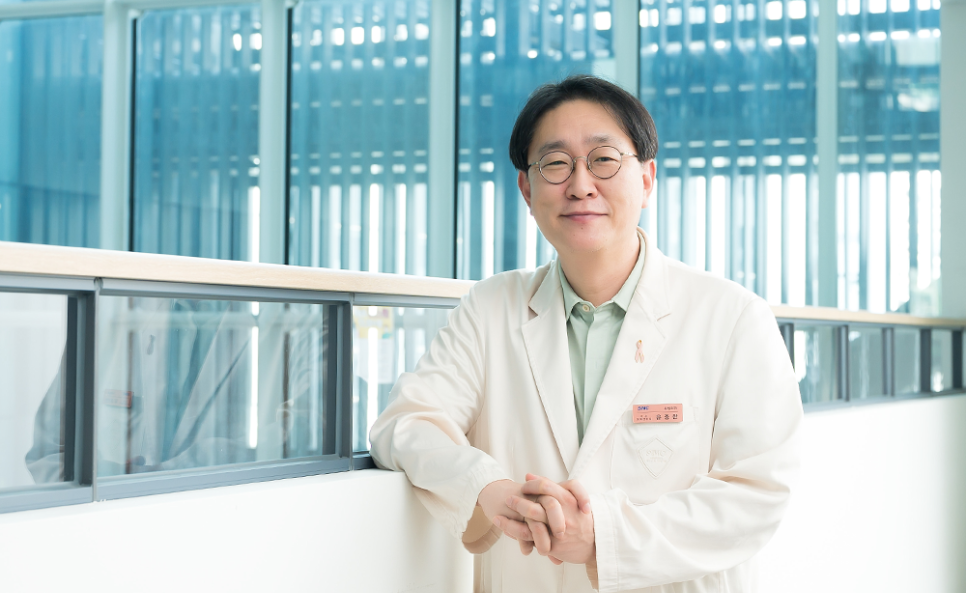
"Having cancer doesn't mean you have to give up your daily life," he says. "What's most important is continuing to live your life as fully as possible."
He encourages patients to continue receiving recommended treatment while maintaining the routines and activities that bring meaning to their lives. Whenever possible, staying engaged with family, work, and social activities can be an important part of the treatment journey. Rather than allowing fear of recurrence to overshadow each day, Dr. Yu hopes patients will focus on the present and continue moving forward, one step at a time.
Although breast cancer treatment is not always straightforward, advances in surgery, systemic therapies, and personalized treatment continue to create new opportunities for patients. As treatment options evolve, so does the hope that more patients will not only survive breast cancer, but also continue living well beyond it.