A cough that won’t go away.
Shortness of breath that feels worse at night.
Symptoms that seem like a lingering cold but never fully improve.
Many people Experience these signs witout realizing they may be related to asthma.
To help clarify what asthma really is – and how to recognize it early – we spoke with Dr. Kang Noeul from the Division of Allergy and Samsung Medical Center.
Q. What exactly is asthma?

Asthma is not simply “getting out of breath.”
It is a chronic inflammatory disease of the airways.
When the airways become inflamed, they narrow and become more sensitive. This means common triggers – such as cold air, dust, tobacco smoke, or viral infections – can cause the airways to tighten more easily.
Typical symptoms include:
- Persistent cough lasting more than 8 weeks
- Wheezing (a whistling sound while breathing)
- Shortness of breath
- Symptoms that worsen at night or early in the morning

Unlike a common cold, asthma symptoms often come and go repeatedly.
Q. How is asthma different from a cold or bronchitis?
Colds are caused by viruses and usually improve within about a week. Common symptoms include runny nose, congestion, and sore throat.
Bronchitis also tends to improve gradually over time.
Asthma, however:
- Causes repeated coughing
- Often worsens at night
- May fluctuate over time
- Does not resolve on its own
Doctors confirm asthma using pulmonary function tests. If narrowed airways improve after medication, it supports the diagnosis.
Q. What causes asthma? Is it contagious?

Asthma is not contagious. It usually develops in people with a genetic tendency toward allergies. A family history of astma, eczema, or allergic rhinitis increases the likelihood.
Environmental triggers may include:
- Fine dust or air pollution
- Tobacco smoke
- House dust mites
- Animal dander
- Pollen
- Viral infections
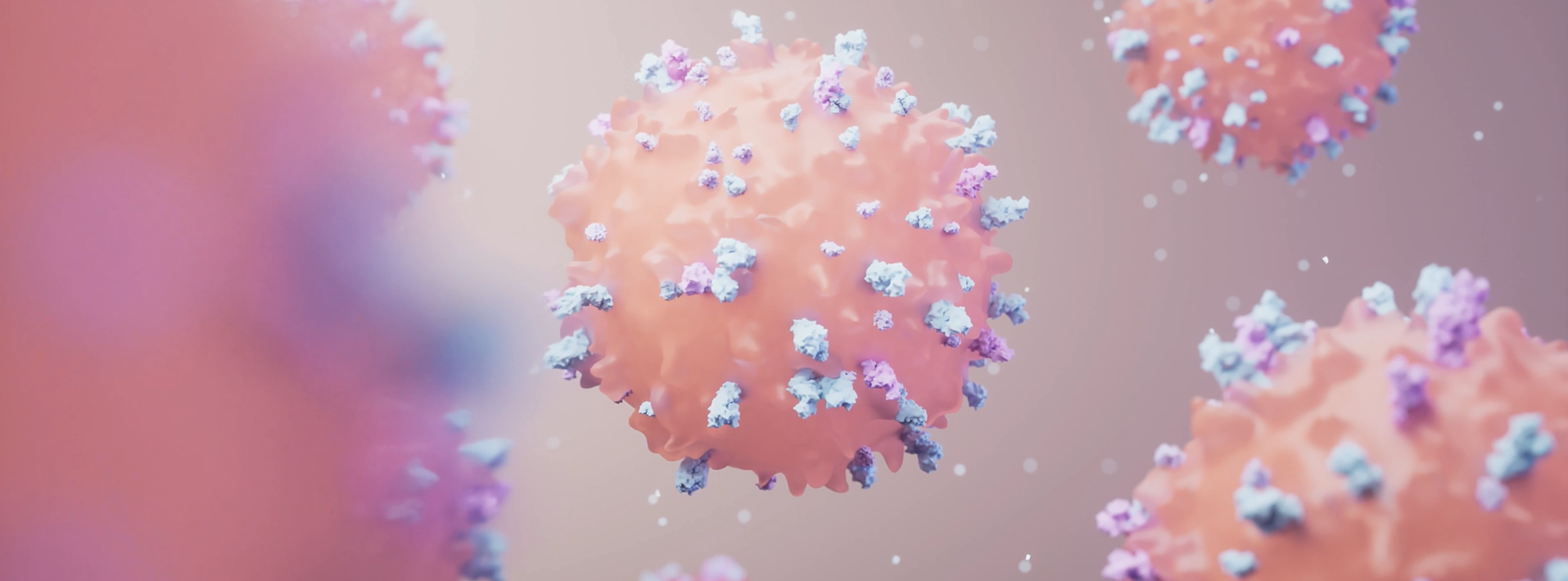
Asthma occurs when the immune system overreacts to these triggers. It is not caused by “weak immunity,” but rather by overactive immune responses.
Q. Can adults develop asthma?
Yes. Asthma can begin at any age.
In Korea, about 5% of adults are affected. Among people over 65, the rate may be as high as 10–13%. Adult asthma is often misunderstood as chronic cough or “sensitive lungs,” which can delay diagnosis. In some cases, prolonged cough may be a form known as cough-variant asthma.

Q. How does asthma affect daily life?
When well controlled, people with asthma can live completely normal lives. However, if poorly managed, asthma may cause:
- Frequent coughing
- Difficulty exercising
- Nighttime awakenings
- Sudden worsening of symptoms (asthma attacks)

Even when symptoms seem mild, airway inflammation may still be present. That is why consistent management is important.
Q. Does asthma get worse during certain seasons?
Yes. Asthma is sensitive to seasonal changes.
Spring and fall may trigger symptoms due to pollen and air pollution. Cold winter air can also irritate the airways. Understanding your personal pattern helps prevent flare-ups.
Q. When is asthma dangerous?
With proper treatment, asthma can be safely managed. However, emergency care is needed if:
- Breathing becomes severely difficult
- You cannot speak in full sentences
- Chest tightness becomes intense
- Oxygen levels drop
Severe asthma attacks can become life-threatening without treatment.
Q. Can asthma be cured?

Asthma is a chronic condition, meaning it usually cannot be completely cured. The goal is long-term control. With regular follow-up, appropriate inhaler use, and avoidance of triggers, most people can manage asthma successfully and maintain a normal lifestyle.
Q. What should you do if you suspect asthma?
Dr. Kang recommends three steps:
- Track your symptoms. Note when they occur, how long they last, and what triggers them.
- See a specialist. Proper testing is important for accurate diagnosis.
- Do not ignore symptoms. Early treatment helps prevent long-term complications.
Final Note
Asthma is a chronic disease—but with early diagnosis and consistent management, it can be effectively controlled. If you experience persistent coughing or unexplained breathing difficulty, consider seeking medical evaluation.