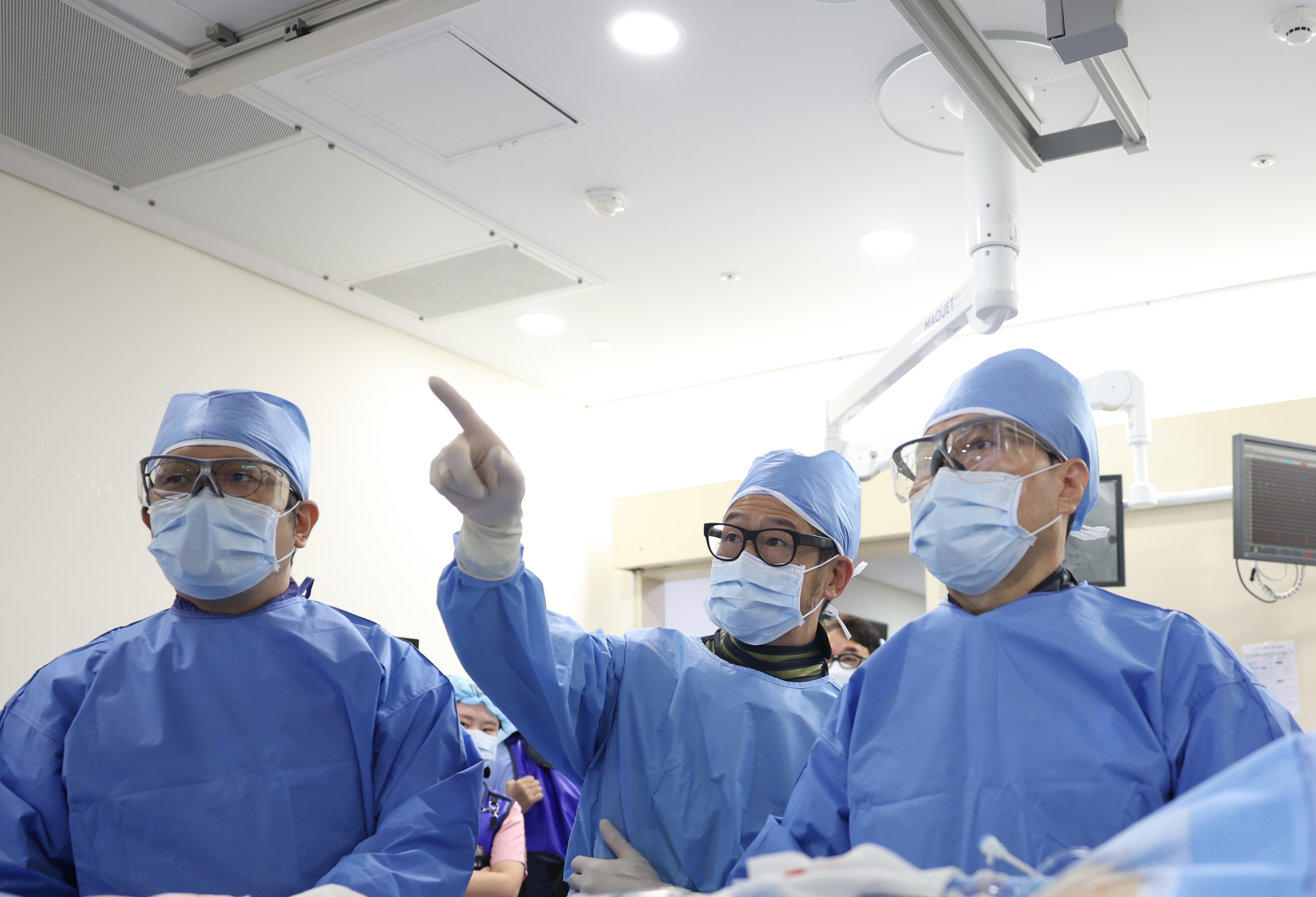
Samsung Medical Center's Arrhythmia Center has announced that it performed more than 2,000 arrhythmia procedures in 2025, marking a significant milestone in the center's history.
Since its establishment, the center has recorded a cumulative total of 20,000 procedures. Having reached the 10,000-procedure mark in 2018, the center achieved an additional 10,000 procedures over the subsequent seven years. Since its formal designation as the Arrhythmia Center in 2019, it has sustained a trajectory of rapid growth.
Arrhythmia encompasses a broad spectrum of conditions — including atrial fibrillation, ventricular tachycardia, and ventricular fibrillation — each varying in type and etiology, making treatment particularly complex. Because the condition can remain asymptomatic before progressing to stroke or sudden cardiac death, successful outcomes depend on a patient-centered approach that spans the entire continuum of care: from early detection and treatment planning to post-procedural management.
To deliver comprehensive, integrated care, the Arrhythmia Center has established a multidisciplinary team of eight specialists drawn from cardiology, pediatrics, and cardiac surgery, operating under a collaborative care model.
This multidisciplinary approach has yielded strong clinical outcomes even in high-complexity cases. The center's success rate for catheter ablation of atrial fibrillation stands at 77%, surpassing the international benchmark of 65%. The 30-day complication rate following implantable cardiac device procedures is 0.3%, reflecting a high standard of procedural safety.
Samsung Medical Center's Arrhythmia Center is the only institution in South Korea capable of performing the full range of arrhythmia procedures and surgeries, encompassing both atrial fibrillation and ventricular arrhythmia.
In February 2012, the center became the first in South Korea to perform hybrid arrhythmia treatment — a combined approach integrating catheter-based intervention with thoracoscopic surgery. By early March 2026, the center had completed 1,100 such procedures. The hybrid approach maintains normal sinus rhythm in more than 90% of patients at one year post-procedure.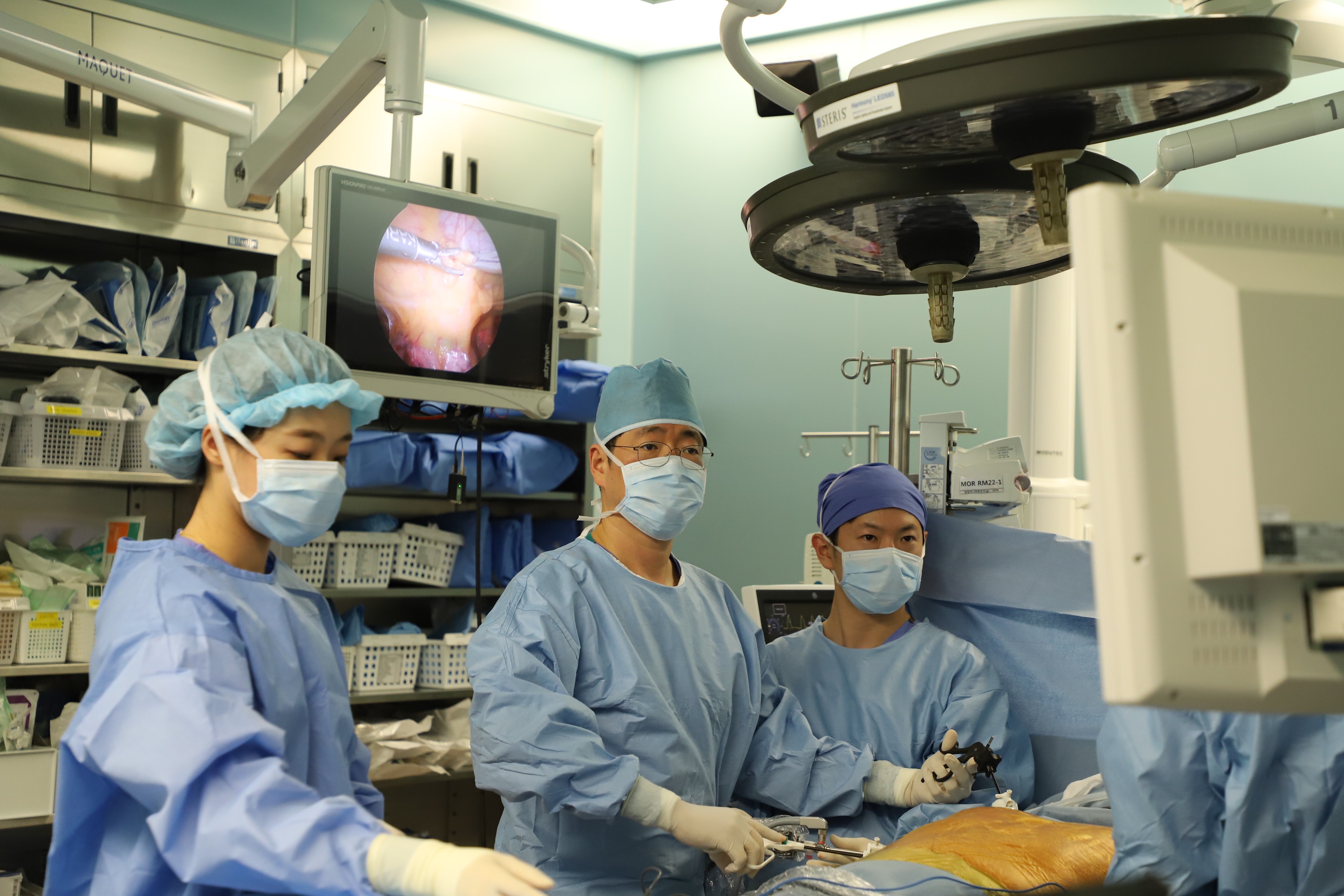
"The most significant advantage of hybrid arrhythmia treatment lies in stroke prevention," said Dr. Dong Seop Jeong, Professor of Cardiac Surgery at Samsung Medical Center. "Published data indicate that hybrid treatment achieves a stroke prevention rate exceeding 90%."
The center's Ventricular Arrhythmia Clinic performs more than 100 high-risk ventricular arrhythmia procedures annually — among the highest volumes in South Korea — and has accumulated a consistent record of stable outcomes in complex cases.
"Ventricular arrhythmia carries a direct risk of sudden cardiac death, which makes procedural precision absolutely critical," said Dr. Kyoung Min Park, Professor of Cardiology. "To further improve procedural success rates, we plan to expand the use of hybrid treatment for high-risk ventricular arrhythmias going forward."
Lead extraction — one of the most technically demanding procedures in the field of implantable cardiac devices — has seen a substantial increase in volume, rising from 7 cases in 2017 to 56 cases in 2025.
"Our implantable cardiac device program, including pacemakers and defibrillators, maintains both the highest procedural volume and safety profile in the country," said Dr. Seung Jung Park, Professor of Cardiology and Director of the Implantable Cardiac Device Clinic. "We provide integrated care that encompasses individualized device selection as well as long-term management of the leads connected to each device."
The center continues to introduce next-generation technologies. In May 2018, it became the first in South Korea to adopt cryoballoon ablation, followed in 2023 by the country's first use of the POLARx next-generation cryoballoon ablation system.
In December 2024, the center achieved another national first with the successful introduction of pulsed field ablation (PFA) — a modality that selectively eliminates myocardial cells using high-energy electrical pulses. To date, 160 PFA procedures have been performed without any procedure-related adverse events.
Building on this clinical record, the center has also established itself as an educational hub for medical professionals both domestically and internationally. Designated as a certified cryoballoon ablation training institution in 2018, the center was named the first Asia-based Ventricular Arrhythmia Training Center by Johnson & Johnson MedTech in 2020. Most recently, in December of last year, it was designated as an International PFA Training Center, further cementing its role as a leading center for arrhythmia education across the region.
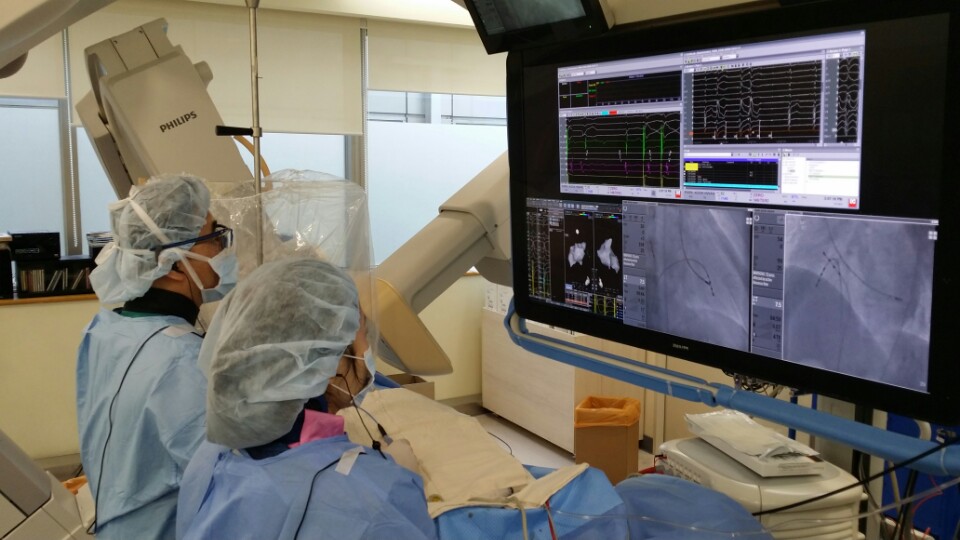
"The greatest strength of our center is our ability to offer each patient the most appropriate, specialized treatment — whether procedural or surgical — through a fully integrated multidisciplinary model," said Dr. Young Keun On, Director of the Arrhythmia Center. "We are committed to building on this foundation to establish ourselves as the leading arrhythmia treatment institution in the Asia-Pacific region."
Samsung Medical Center established South Korea's first integrated Heart, Stroke, and Vascular Center in 2014, pioneering a patient-centered model of integrated care while advancing cutting-edge medical technology. The institution continues to play a leading role in the treatment of cardiovascular, cerebrovascular, and vascular diseases.