Pancreas transplantation is a surgical procedure performed to restore normal insulin production in patients with insulin-dependent diabetes, most commonly type 1 diabetes.
The pancreas has two major functions:
- Producing digestive enzymes
- Regulating blood glucose through hormone secretion
Clusters of hormone-producing cells known as islets contain:
- Beta cells, which produce insulin and lower blood glucose
- Alpha cells, which produce glucagon and raise blood glucose
In insulin-dependent diabetes, destruction or dysfunction of beta cells results in unstable blood glucose levels and progressive complications.
Pancreas transplantation aims to:
- Restore physiologic insulin production
- Eliminate or reduce the need for exogenous insulin
- Prevent or slow progression of diabetic complications
- Improve quality of life in carefully selected patients
Preparation Guidelines of Pancreas Transplantation
Types of Pancreas Transplantation
There are three main approaches:
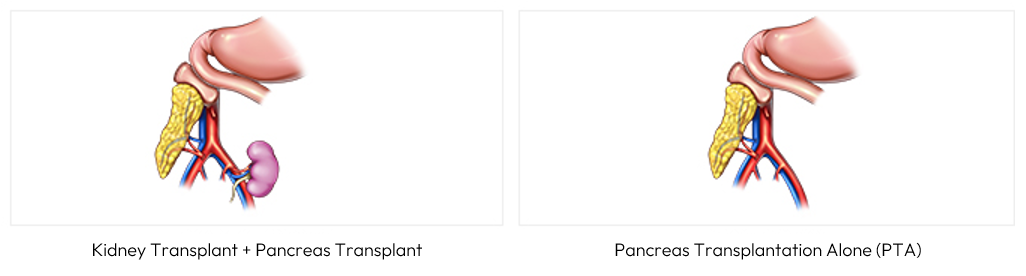
Simultaneous Pancreas-Kidney Transplantation (SPK)
- Performed in patients with diabetes and end-stage renal disease. Both organs are transplanted during the same operation. This is the most commonly performed approach and is associated with favorable long-term outcomes.
Pancreas After Kidney Transplantation (PAK)
- Performed in patients who previously received a successful kidney transplant and later undergo pancreas transplantation.
Pancreas Transplantation Alone (PTA)
- Performed in selected patients with severe insulin-dependent diabetes who do not yet have advanced kidney failure but experience unstable glucose control or frequent severe hypoglycemia.
Candidate Selection
Pancreas transplantation may be considered for:
- Patients with type 1 diabetes
- Insulin-dependent diabetes with poor glycemic control
- Patients with diabetic nephropathy requiring kidney transplantation
- Patients experiencing severe hypoglycemia unawareness
- Selected patients following total pancreatectomy
Contraindications may include:
- Active infection
- Severe cardiovascular disease
- Advanced peripheral vascular disease
- Poorly controlled comorbid conditions
- Certain advanced age or frailty considerations
Pre-Transplant Evaluation
A comprehensive medical assessment is required and may include:
- Blood testing (blood type, tissue compatibility, viral screening)
- Chest imaging and ECG
- Echocardiography
- Vascular evaluation
- Gastrointestinal evaluation
- Abdominal ultrasound
- Dental evaluation to identify infection sources
- Mental health and psychosocial assessment
The purpose of evaluation is to ensure surgical safety and optimize outcomes.
What to Expect
During Surgery
Pancreas transplantation is performed under general anesthesia. The donor pancreas is connected to the recipient’s blood vessels to establish circulation. The transplanted pancreas is typically placed in the lower abdomen, while the patient’s native pancreas is usually left in place.
In SPK procedures, kidney transplantation is performed during the same operation. Surgery duration varies depending on whether a kidney transplant is performed simultaneously.
Immediate Postoperative Care
After surgery:
- Patients are transferred to the intensive care unit for close monitoring.
- Blood glucose levels are monitored frequently.
- Immunosuppressive therapy is initiated immediately.
- Fluid balance, kidney function, and graft perfusion are closely observed.
Nasogastric tubes, urinary catheters, and abdominal drains may be temporarily placed to support recovery. Early mobilization and breathing exercises are encouraged to prevent pulmonary complications.
Risks and Complications of Pancreas Transplantation
Early Complications
- Surgical bleeding
- Infection
- Pancreatic graft thrombosis
- Delayed graft function
- Anastomotic leaks
- Acute rejection
Long-Term Complications
- Chronic rejection
- Graft failure
- Recurrence of diabetes (rare but possible)
- Kidney dysfunction related to immunosuppressive therapy
- Increased infection risk
- Cardiovascular complications
Careful monitoring of immunosuppressive medication levels is essential to balance rejection prevention and infection risk.
Results and Follow-Up of Pancreas Transplantation
Successful pancreas transplantation can restore endogenous insulin production and significantly improve metabolic control.
Early Follow-Up
After discharge:
- Frequent outpatient visits are required during the first three months.
- Blood tests monitor glucose control, kidney function, electrolytes, and immunosuppressant levels.
- Imaging studies may be performed as needed.
Patients are instructed to:
- Monitor blood glucose levels.
- Observe for signs of infection or graft dysfunction.
- Maintain consistent medication adherence.
Long-Term Management
- Lifelong immunosuppressive therapy is required.
- Routine laboratory testing continues indefinitely.
- Cardiovascular risk factors must be carefully managed.
- Nutritional counseling is recommended to maintain stable metabolic health.
Lifestyle Considerations
- Gradual return to physical activity is encouraged.
- Tobacco use should be avoided.
- Alcohol intake should be discussed with the transplant team.
- Pregnancy planning requires specialist consultation and clinical stability.
With appropriate patient selection and long-term adherence to follow-up care, pancreas transplantation can provide durable metabolic benefits and reduce diabetes-related complications.